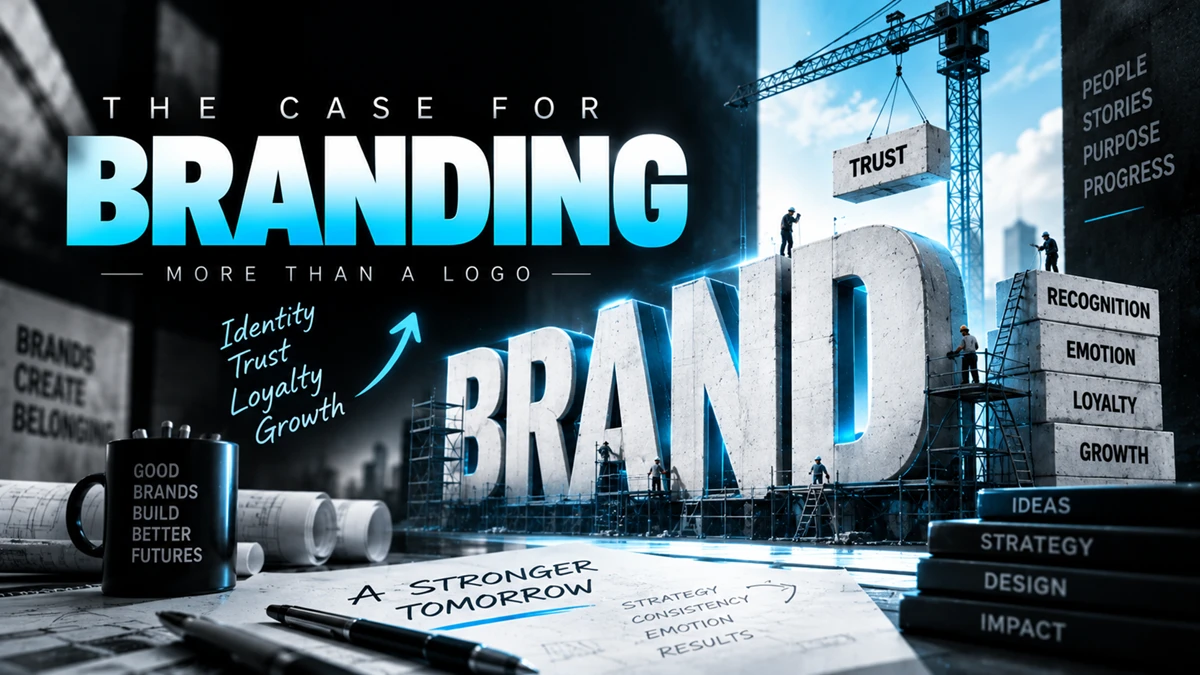
Key Takeaways
- Strong branding builds instant recognition, and recognition is what earns trust before a single sale happens.
- Branding is what separates businesses selling similar products from each other.
- Perception drives pricing power — great branding justifies premium prices customers willingly pay.
- Emotional connection turns one-time buyers into long-term advocates.
- Consistent branding makes every marketing dollar work harder.
- Branding built on strong foundations survives and adapts across decades.
How Branding Compounds Over Time
Each stage builds on the last — loyalty then feeds right back into stronger recognition.
1. Branding Offers Recognition and Trust
The most obvious benefit of strong branding is recognition. A memorable logo, a consistent color scheme, and a clean design make your brand stand out in a crowded market — and the easier a brand is to remember, the faster affinity builds.
Trust follows close behind. People do business with brands that feel professional and consistent. Over time, that consistency compounds into repeat business, word of mouth, and genuine customer confidence.
2. Standing Out in a Crowded Marketplace
Most businesses in most industries sell fairly similar products. Branding is what tells customers why they should choose you specifically — it carries the differentiated value proposition that a spec sheet alone never can.
Apple — Selling a Philosophy, Not Just Tech
Apple's brand message was never just about the product — it was innovation, simplicity, and premium quality. Buying an Apple product means buying into a lifestyle, not just hardware.
3. Branding Affects Perception and Value
Perception drives buying decisions more than most businesses realize. Get branding right, and it can justify premium pricing — filling in the value gap between products that are functionally similar but perceived very differently.
Perceived Value: Generic vs. Strong Branding
Louis Vuitton & Rolex — Branding That Justifies Price
The logo itself has become the representation of luxury, prestige, and status. Customers pay a premium not just for the product, but for what carrying it signals.
4. Emotional Connection and Customer Loyalty
Great branding isn't about the offer — it's about the emotion conveyed. When an audience connects emotionally with a brand, competitors have a much harder time pulling them away.
Nike — "Just Do It" as an Emotional Trigger
Nike's tagline sells motivation and empowerment, not shoes. Customers feel part of something bigger than a purchase — that's what turns buyers into advocates.
5. More Return on Marketing Investment
A clear, well-defined brand makes every marketing dollar work harder. Consistent messaging across digital, print, and social creates a cohesive experience — and people respond faster to ads from a brand they already recognize and trust.
6. Future-Proofing Your Business
Good branding pays off over years, not quarters. Built on strong foundations, a brand can evolve with trends without losing what makes it recognizable in the first place.
Coca-Cola — A Century of Consistent Identity
Still one of the most recognized brands on earth, having evolved with every generation while keeping its core identity intact.
Six Reasons Branding Pays Off
Frequently Asked Questions
Is branding worth investing in for a small or new business?
Yes — arguably more so. Early, consistent branding builds recognition before competitors crowd the space, making it easier and cheaper to stand out later.
How long does it take for branding investment to show results?
Recognition builds gradually, but consistent branding usually starts improving ad response and customer trust within the first few months of consistent application.
Can strong branding really justify higher prices?
Yes — brands like Rolex and Louis Vuitton demonstrate this directly. Perceived value, built through consistent branding, allows premium pricing that generic products can't command.
Branding isn't an expense — it's the one investment that keeps paying back through recognition, trust, and loyalty, long after the ad spend stops. If you had to pick one of these six areas your brand needs to work on most right now, which one would it be? Let us know in the comments.


Discussion (0)
Leave a Reply
No comments yet. Be the first to start the discussion!